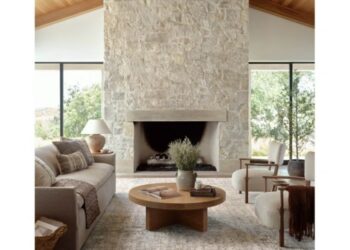

Delving into commercial interiors, this introduction immerses readers in a unique and compelling narrative. Commercial interiors play a vital role in shaping the functionality and aesthetics of various spaces, from offices to retail stores, creating an environment that is both visually appealing and conducive to productivity.
As we journey through the key elements of commercial interior design, we uncover the significance of functional layout, material selection, lighting design, and the growing trend of sustainability. Each aspect contributes to the overall success of a commercial space, making it a dynamic and intriguing field to explore.
Definition of Commercial Interiors

Commercial interiors refer to the design and decor of spaces used for business or commercial purposes. These spaces are specifically tailored to meet the functional and aesthetic needs of businesses, organizations, and institutions.
Key Elements:
Types of Commercial Spaces
- Retail Stores: These spaces require layouts that encourage product visibility and easy navigation for customers.
- Offices: Workspaces need to be conducive to productivity, collaboration, and employee well-being.
- Restaurants: Design elements play a crucial role in creating ambiance and enhancing the dining experience for patrons.
- Hotels: Interior design in hotels impacts guest comfort, satisfaction, and overall experience during their stay.
Importance of Functional Layout
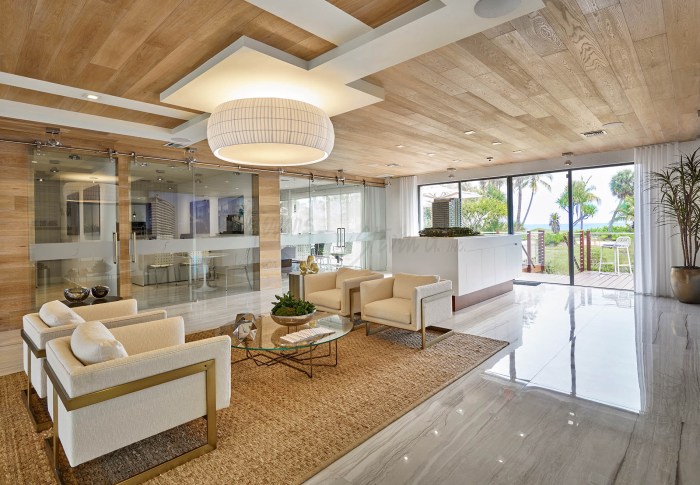
Functional layout plays a crucial role in commercial interiors as it directly impacts the productivity and efficiency of a space. A well-designed layout can optimize the flow of work, enhance communication among employees, and create a conducive environment for business operations.
Enhanced Productivity and Efficiency
- A well-planned layout with designated work zones can minimize distractions and improve focus among employees, leading to increased productivity.
- Efficient circulation paths and accessibility to necessary resources can reduce the time spent on tasks and boost overall efficiency in completing work.
- Proper placement of furniture, equipment, and amenities can streamline processes and workflows, contributing to a smoother operation within the commercial space.
Impact of Different Layout Designs
- Open Floor Plan:Promotes collaboration and communication among employees but may lead to noise distractions if not properly managed.
- Cubicle Layout:Provides individual workspaces for focus and concentration but may hinder teamwork and communication among team members.
- Activity-Based Layout:Tailored to specific tasks or activities, enhancing efficiency in completing different types of work but may require careful planning to ensure a seamless transition between zones.
Material Selection
When it comes to commercial interior design, material selection plays a crucial role in determining the overall look, feel, and functionality of a space. The choice of materials can greatly impact the aesthetics, durability, maintenance, and even the sustainability of a commercial interior.
Significance of Material Selection
Choosing the right materials for a commercial space is essential to create an environment that not only looks appealing but also functions efficiently. The materials selected should align with the brand image, target audience, and the purpose of the space.
For example, a high-end retail store may opt for luxurious materials like marble and brass to convey a sense of luxury and sophistication, while a co-working space may prioritize durable and easy-to-maintain materials like laminate and vinyl for practicality.
Impact of Different Materials
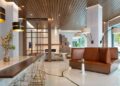
- Wood: Provides warmth and natural beauty, suitable for creating a welcoming and elegant atmosphere.
- Glass: Adds transparency and light, making spaces feel more open and modern.
- Metal: Offers a sleek and industrial look, often used in contemporary designs for a minimalist aesthetic.
- Concrete: Known for its durability and versatility, commonly used in modern industrial-style interiors.
Examples of Innovative Materials
- Recycled Materials: Increasingly popular for sustainable design, materials like reclaimed wood, recycled glass, and repurposed metal can add a unique touch to commercial interiors.
- Bio-based Materials: With a growing focus on eco-friendly design, bio-based materials like bamboo, cork, and organic textiles are being used for their sustainable properties and natural appeal.
- Smart Materials: Incorporating technology into design, smart materials like self-healing paint, interactive surfaces, and dynamic lighting systems are transforming the way commercial spaces function and engage users.
Lighting Design
Lighting design plays a crucial role in creating a functional and visually appealing commercial interior space. It is not only about illuminating the area but also about setting the mood and enhancing the overall ambiance.
Importance of Lighting Design
Proper lighting design can make a space feel welcoming, comfortable, and productive. It can influence the way people perceive a space and even affect their mood and behavior.
- Effective lighting design can highlight key features in a commercial interior, such as architectural elements, artwork, or products, drawing attention to them and creating a focal point.
- By strategically placing light fixtures, different areas within a space can be emphasized or subdued, creating a dynamic and engaging environment.
- Lighting design can also impact the perception of space, making it appear larger, cozier, or more intimate, depending on the desired effect.
Sustainability in Commercial Interiors
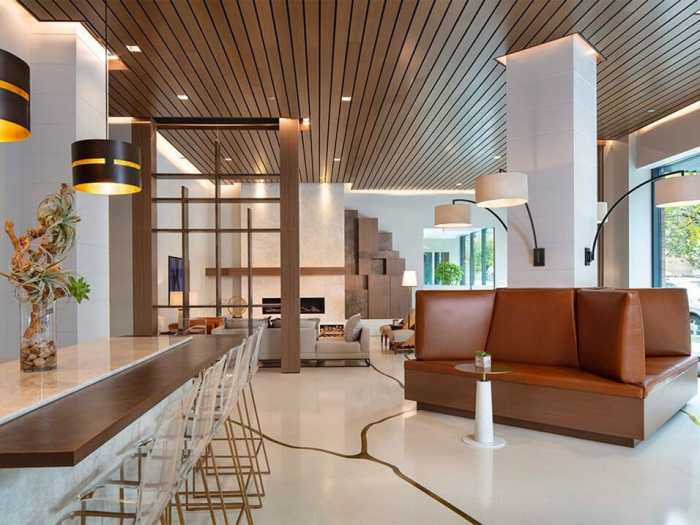
As environmental consciousness grows, sustainability has become a key consideration in commercial interior design. Businesses are increasingly embracing green practices to reduce their carbon footprint and create healthier work environments.
Benefits of Sustainable Practices
- Improved indoor air quality: Using eco-friendly materials can help reduce harmful emissions and promote better air quality.
- Cost savings: Energy-efficient lighting and HVAC systems can lead to reduced utility bills over time.
- Enhanced brand image: Demonstrating a commitment to sustainability can enhance a company's reputation and attract environmentally-conscious clients.
Sustainable Design Elements
- Recycled materials: Incorporating recycled materials like reclaimed wood or metal can reduce waste and give a unique aesthetic appeal.
- Energy-efficient lighting: Installing LED fixtures and sensors can help reduce energy consumption and lower electricity costs.
- Biophilic design: Integrating natural elements like plants and green walls can improve employee well-being and productivity.
Epilogue
In conclusion, commercial interiors serve as the canvas where creativity meets functionality, transforming ordinary spaces into extraordinary environments. By focusing on elements like layout, materials, lighting, and sustainability, designers can craft spaces that not only inspire but also promote efficiency and well-being.
The world of commercial interiors continues to evolve, offering endless possibilities for innovation and design excellence.
Key Questions Answered
What makes commercial interiors different from other types of interior design?
Commercial interiors focus on creating functional spaces that cater to specific business needs and objectives, such as maximizing productivity or enhancing customer experience.
How does material selection impact commercial interior design?
The choice of materials influences both the aesthetics and functionality of a commercial space, determining factors like durability, maintenance, and overall design cohesion.
Why is lighting design important in commercial interiors?
Lighting design can significantly affect the mood and ambiance of a space, as well as highlight key features or areas within a commercial setting.
What role does sustainability play in modern commercial interior design?
Sustainability is increasingly crucial in commercial design, with a focus on eco-friendly practices and materials that promote environmental responsibility and long-term cost savings.