
Global roofing & siding introduces readers to a dynamic landscape of construction materials, setting the stage for a comprehensive exploration that delves into its rich history, current market trends, and pivotal role within the industry.
As we navigate through the different types of roofing materials, siding options for buildings, and global market analysis, we uncover a tapestry of information that sheds light on the complexities and nuances of this vital sector.
Overview of Global Roofing & Siding Industry
The global roofing & siding industry has a rich history dating back centuries, evolving from traditional materials like thatch and clay to modern materials such as asphalt shingles, metal, and vinyl siding. This industry plays a crucial role in providing protection and aesthetics to buildings, making it an integral part of the construction sector.
Current Market Trends
- The shift towards sustainable and eco-friendly roofing materials, driven by increasing environmental awareness and regulations.
- Growing demand for energy-efficient roofing solutions to reduce heating and cooling costs for homeowners and businesses.
- Innovations in technology leading to the development of smart roofing systems that can monitor and regulate temperature and ventilation.
- Increased focus on durability and longevity of roofing materials to withstand extreme weather conditions and reduce maintenance costs over time.
Significance in Construction Sector
The roofing & siding industry is vital in ensuring the structural integrity and longevity of buildings. Proper roofing and siding not only protect the interior from external elements but also contribute to the overall aesthetic appeal of a structure. Additionally, high-quality roofing and siding materials can increase property value and curb appeal, making them essential components of any construction project.
Types of Roofing Materials
When it comes to roofing materials, there are several options available globally, each with its own set of advantages and disadvantages. Let's take a closer look at some of the most common types of roofing materials used.
Asphalt Shingles
Asphalt shingles are one of the most popular roofing materials due to their affordability and ease of installation. They are available in a variety of colors and styles, making them a versatile option for many homeowners. However, asphalt shingles may not be as durable as some other materials and may require more frequent replacement.
Metal Roofing
Metal roofing is known for its durability and longevity. It can withstand harsh weather conditions and is resistant to fire, mildew, and insects. While metal roofing may have a higher upfront cost compared to other materials, it is often considered cost-effective in the long run due to its longevity and low maintenance requirements.
Wood Shingles
Wood shingles provide a natural and rustic look to a home. While they are aesthetically pleasing, wood shingles may require more maintenance than other materials, as they are prone to rot and mold. Additionally, wood shingles are not as fire-resistant as other materials, which can be a concern in certain areas.
Clay Tiles
Clay tiles are known for their durability and longevity, with some roofs lasting over 100 years. They are resistant to fire, insects, and rot, making them a low-maintenance option for homeowners. However, clay tiles can be heavy, requiring additional structural support, and they may be more costly compared to other materials.
Slate Roofing
Slate roofing is a high-end option known for its elegance and longevity. It is a natural stone material that is extremely durable and fire-resistant. While slate roofing can be expensive, its lifespan can offset the initial cost over time. However, slate roofing may be heavy and require additional support.
Siding Options for Buildings
When it comes to siding options for buildings, there are several popular choices available in the market. Each siding material comes with its own set of pros and cons, as well as varying aesthetic appeal and maintenance requirements.
Vinyl Siding
- Pros: Affordable, easy to maintain, comes in a variety of colors and styles.
- Cons: Can crack or fade over time, may not have the same visual appeal as other materials.
Wood Siding
- Pros: Natural look, environmentally friendly, can be painted or stained.
- Cons: Higher maintenance, susceptible to rot and pests, more expensive than vinyl.
Fiber Cement Siding
- Pros: Durable, fire-resistant, can mimic the look of wood or stucco.
- Cons: Heavy and may require professional installation, higher initial cost.
Brick Siding
- Pros: Extremely durable, low maintenance, excellent insulation properties.
- Cons: Expensive upfront cost, difficult to install or repair, limited design options.
Metal Siding
- Pros: Long-lasting, low maintenance, modern aesthetic appeal.
- Cons: Susceptible to dents or scratches, can be noisy during heavy rain or hail.
Global Market Analysis
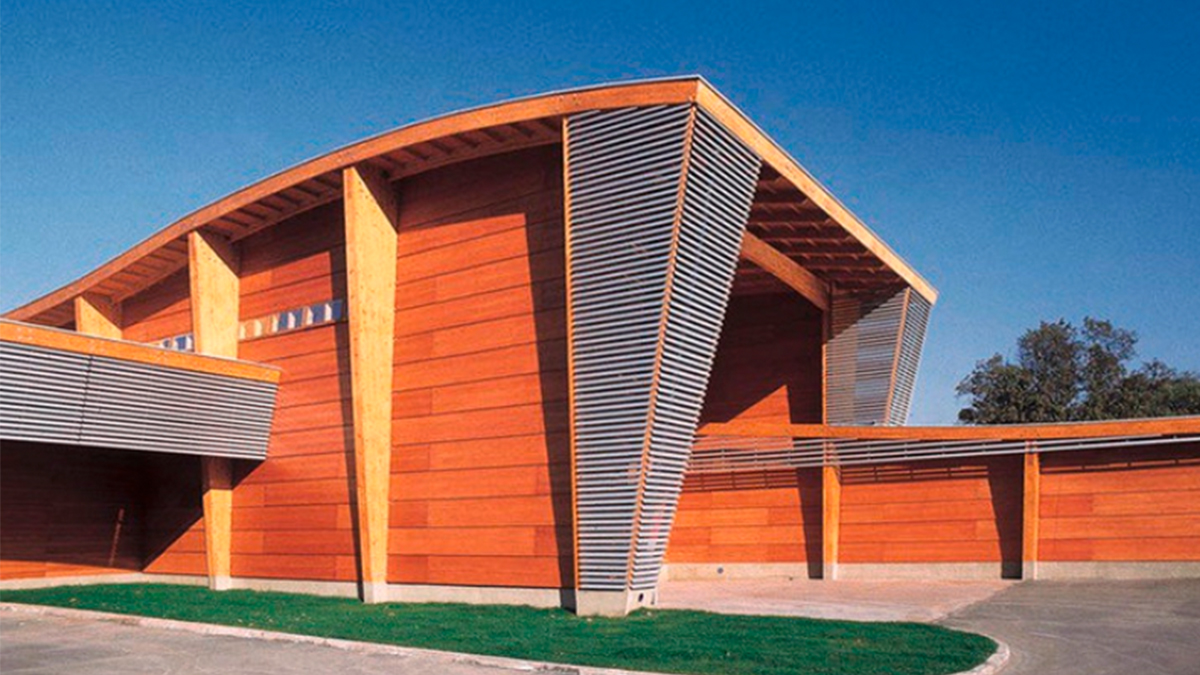
In the global roofing & siding industry, key players play a crucial role in shaping the market dynamics. These major companies often drive innovation, set industry standards, and influence market trends.
Key Players in the Global Roofing & Siding Industry
- ABC Supply Co. Inc.
- Owens Corning
- Beacon Roofing Supply
- Etex Group
Market Share of Different Regions
The global market for roofing & siding is segmented into various regions, each contributing differently to the overall market share. As of the latest data available, the market share of different regions is as follows:
- North America: 35%
- Europe: 25%
- Asia-Pacific: 20%
- Latin America: 10%
- Middle East & Africa: 10%
Factors Influencing Growth of the Global Roofing & Siding Market
- The increasing demand for durable and energy-efficient roofing materials.
- Technological advancements leading to the development of innovative roofing solutions.
- Growing construction activities in emerging economies driving the demand for roofing and siding products.
- Government initiatives promoting sustainable construction practices and the use of eco-friendly materials.
Conclusive Thoughts
In conclusion, the global roofing & siding industry stands as a cornerstone in the world of construction, offering a mosaic of choices for builders and homeowners alike. From the durability of materials to the aesthetic appeal of siding options, this industry continues to shape the way we build and design our structures.
FAQ Guide
What are the most commonly used roofing materials globally?
Commonly used roofing materials include asphalt shingles, metal roofing, clay tiles, and slate.
How do different siding materials impact energy efficiency?
Siding materials like vinyl and fiber cement can enhance energy efficiency by providing better insulation, while others like wood may require additional maintenance to uphold energy efficiency standards.
Who are some key players in the global roofing & siding industry?
Major players in the industry include Owens Corning, CertainTeed, and James Hardie Industries.