
Interior rendering opens the doors to a world where design and architecture coalesce, painting a vivid picture of spaces yet to be realized. In this narrative, we delve into the intricate details and essential elements that bring interior designs to life, showcasing the artistry and technology behind this captivating process.
From the importance of lighting to the impact of technological advancements, this exploration of interior rendering promises to be a fascinating journey through the realm of creative visualization.
Overview of Interior Rendering
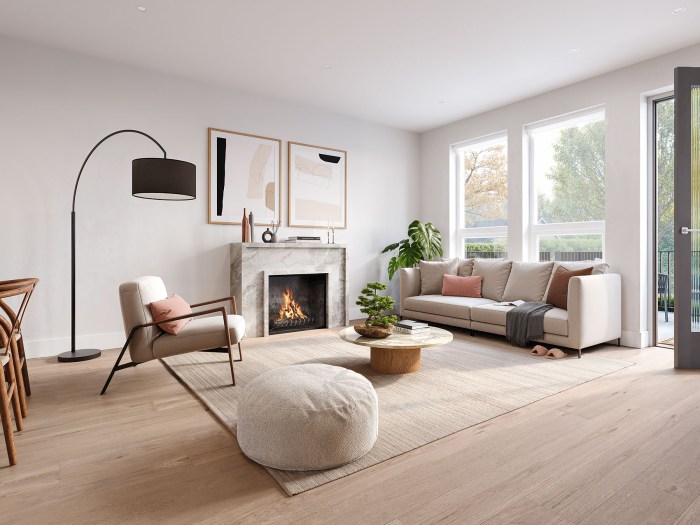
Interior rendering is a process used in design and architecture to create realistic visualizations of interior spaces before construction or renovation. By using computer software, designers can generate detailed images that showcase the layout, materials, lighting, and overall ambiance of a room or building.
Importance of Interior Rendering
Interior rendering plays a crucial role in the design process by allowing clients to visualize the final outcome of a project before any work begins. This helps to clarify design concepts, make informed decisions, and ensure that the client's expectations are met.
Additionally, interior rendering can save time and money by identifying potential issues early on in the design phase.
Enhanced Visualization for Clients
Interior rendering enhances visualization for clients by providing them with photorealistic images that convey the look and feel of the proposed design. Clients can see how different materials, colors, and furniture choices will come together in the space, helping them to better understand and appreciate the design concept.
Software for Interior Rendering
The types of software commonly used for interior rendering include industry-standard programs such as Autodesk 3ds Max, SketchUp, and V-Ray. These software tools offer a wide range of features and capabilities to create high-quality, realistic renderings that accurately represent the designer's vision.
Key Elements of Interior Rendering
Interior rendering requires a combination of key elements to achieve a realistic and visually appealing outcome. These elements play a crucial role in the overall success of the rendering process.
Role of Lighting
Lighting is one of the most critical components in interior rendering as it greatly influences the mood, atmosphere, and realism of the final image. Properly placed lights and shadows can enhance the depth and dimension of the space, creating a sense of realism.
Ambient lighting, natural light sources, and artificial lighting fixtures all contribute to the overall lighting scheme in interior rendering.
Significance of Textures and Materials
Textures and materials are essential in achieving a lifelike representation in interior rendering. The use of high-quality textures and materials can add depth, detail, and tactile quality to surfaces within the space. From smooth surfaces to rough textures, each material choice impacts the overall look and feel of the interior rendering.
Attention to detail in textures and materials can elevate the realism of the final image.
Comparison of Rendering Techniques
There are various rendering techniques available for interior rendering, with two main categories being photorealistic rendering and non-photorealistic rendering. Photorealistic rendering aims to produce images that closely resemble photographs, with a focus on achieving high levels of detail, lighting accuracy, and realism.
On the other hand, non-photorealistic rendering allows for more artistic interpretation and stylized effects, deviating from strict realism to create unique visual aesthetics. Each technique has its own advantages and applications, depending on the desired outcome for the interior rendering project.
Techniques and Tools for Interior Rendering
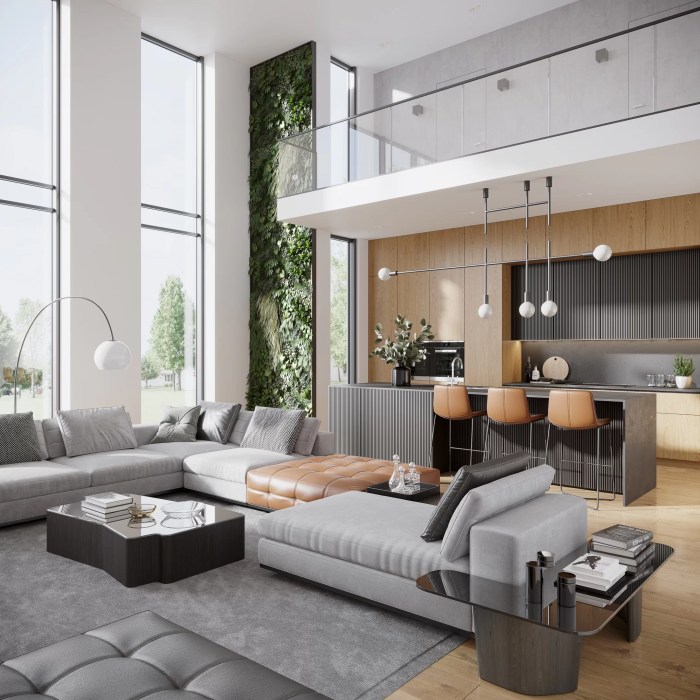
Creating stunning interior renderings requires a combination of techniques and tools that professionals use to bring designs to life.
Step-by-Step Process of Creating an Interior Rendering
When creating an interior rendering, professionals typically follow a step-by-step process:
- Start by modeling the interior space with accurate dimensions and details.
- Add textures, materials, and lighting to create a realistic look and feel.
- Adjust camera angles and perspectives for the best composition.
- Render the scene using specialized software to generate the final image.
Tools and Software Used for Interior Rendering
Professionals in interior rendering often use a combination of tools and software:
- 3D modeling software like Autodesk 3ds Max, SketchUp, or Blender for creating the 3D model of the interior space.
- Rendering engines such as V-Ray, Corona Renderer, or Lumion for realistic lighting and material effects.
- Post-processing software like Adobe Photoshop for enhancing the final image.
Tips for Realistic Reflections and Shadows
Achieving realistic reflections and shadows in interior renderings can greatly enhance the overall look:
- Pay attention to light sources and their interaction with materials for accurate reflections.
- Use HDRI maps to simulate real-world lighting conditions and create natural-looking shadows.
- Adjust the intensity and color of light to match the mood and style of the interior space.
Virtual Reality and Augmented Reality in Interior Rendering
Virtual reality (VR) and augmented reality (AR) are increasingly being used in interior rendering projects:
- VR allows clients to experience a virtual tour of the interior space before it is built, providing a more immersive design presentation.
- AR applications enable designers to overlay digital models onto the physical environment, allowing for real-time visualization and interaction.
Trends in Interior Rendering
Interior rendering is constantly evolving to meet the changing demands of clients and advancements in technology. Let's explore some of the current trends shaping the industry.
Incorporating Sustainability and Green Design
One major trend in interior rendering is the increasing focus on sustainability and green design. Clients are now more conscious of environmental impact and are seeking designs that are eco-friendly and energy-efficient. Interior renderings are incorporating elements like natural lighting, energy-saving materials, and green spaces to align with these preferences.
Impact of Technological Advancements
Technological advancements such as virtual reality (VR) and augmented reality (AR) are revolutionizing the future of interior rendering. These technologies allow clients to experience designs in a more immersive way and make changes in real-time. Interior renderings are becoming more interactive and realistic, thanks to these advancements.
Adapting to Changing Client Preferences
Interior rendering is adapting to changing client preferences by offering customization options and personalized designs. Clients now have more control over the design process and can tailor interiors to their specific needs and tastes. Renderings are becoming more flexible and tailored to individual preferences.
Innovative Approaches in the Industry
The industry is seeing innovative approaches to interior rendering, such as the use of 3D printing for creating intricate design elements, the integration of smart home technology in renderings, and the incorporation of biophilic design principles to bring nature indoors.
These innovative approaches are pushing the boundaries of traditional rendering techniques.
Final Review
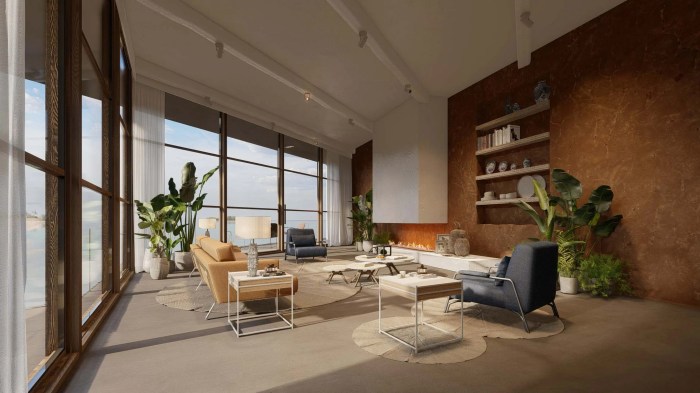
As we conclude our exploration of interior rendering, we are left with a profound appreciation for the artistry and innovation that shape the world of design and architecture. From current trends to future possibilities, the evolution of interior rendering continues to captivate and inspire, pushing boundaries and redefining creative expression.
FAQ Insights
What is the role of lighting in interior rendering?
Lighting plays a crucial role in creating realistic interior renderings by enhancing depth, shadows, and overall ambiance.
What are some common software used for interior rendering?
Popular software for interior rendering includes Autodesk 3ds Max, V-Ray, SketchUp, and Blender.
How can one achieve realistic reflections in interior renderings?
To achieve realistic reflections, professionals often use techniques like ray tracing and environment mapping.
What is the difference between photorealistic rendering and non-photorealistic rendering?
Photorealistic rendering aims to create images that closely resemble reality, while non-photorealistic rendering focuses on artistic interpretations and stylized visuals.