
Embark on a journey through the realm of architectural drafting, where precision meets creativity to shape the world around us. From ancient tools to cutting-edge software, this field bridges the gap between imagination and reality, laying the foundation for breathtaking structures we admire every day.
Delve into the intricate details of drafting plans, explore the evolution of drafting techniques over centuries, and catch a glimpse of the future trends reshaping the architectural landscape.
Importance of Architectural Drafting
Architectural drafting plays a crucial role in the design process of any construction project. It involves creating detailed technical drawings and plans that serve as a roadmap for architects, engineers, and construction teams.
Impact on Construction Projects
Accurate drafting is essential for the successful execution of construction projects. By providing precise measurements, dimensions, and specifications, architectural drafts ensure that the final structure is built according to the intended design. Any discrepancies or errors in the drafting phase can lead to costly delays, rework, and even compromise the structural integrity of the building.
Ensuring Building Safety and Functionality
Detailed drafting is crucial for ensuring the safety and functionality of buildings. By including important details such as structural components, electrical layouts, plumbing systems, and material specifications, architects can design spaces that are not only aesthetically pleasing but also safe and functional for occupants.
Without accurate drafting, there is a risk of overlooking critical elements that could impact the overall performance and usability of the building.
Tools and Software for Architectural Drafting
Architectural drafting involves the use of various tools and software to create accurate and detailed designs for buildings and structures. These tools have evolved over time, from traditional drafting methods to modern CAD software, revolutionizing the way architects and designers work.
Common Tools Used in Architectural Drafting
- T-Squares: Used for drawing straight lines and ensuring precision in drafting.
- Drafting Pencils: Different lead weights are used for varying line thickness and clarity.
- Architect's Scale: Helps to measure and scale drawings accurately.
- Erasers and Erasing Shields: Essential for correcting mistakes without damaging the paper.
Comparison between Traditional Drafting Methods and Modern CAD Software
Traditional drafting methods involved manual drawing on paper using tools like T-squares, pencils, and rulers. This process was time-consuming and required a high level of precision. On the other hand, modern CAD software allows architects to create digital designs using computer programs specifically designed for drafting.
CAD software offers benefits such as faster drafting, easier editing, and the ability to generate 3D models.
Benefits of Using CAD Software in Architectural Drafting
- Increased Efficiency: CAD software speeds up the drafting process, reducing the time required to create detailed designs.
- Accuracy: CAD software enables precise measurements and ensures that drawings are to scale.
- Easy Editing: Changes can be made quickly and easily in CAD software, without the need to redraw entire sections.
- Visualization: CAD software allows architects to create 3D models and visualize the final design before construction begins.
Key Elements of Architectural Drafting
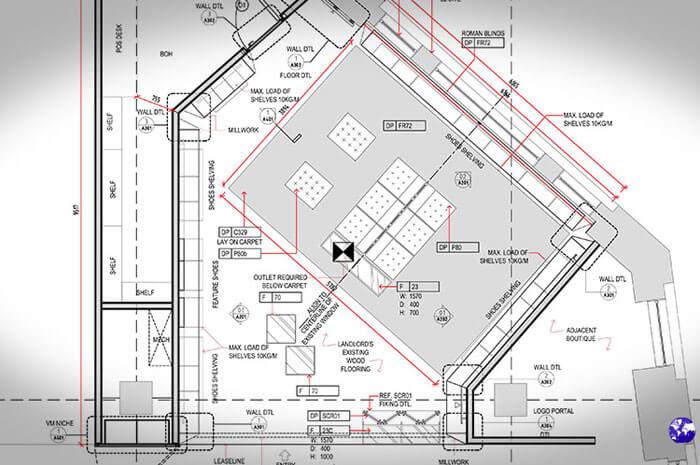
Architectural drafting involves several key elements that are crucial for creating accurate and detailed drawings of building plans. These elements help architects and designers communicate their design ideas effectively and ensure that construction projects can be carried out smoothly.
Essential Components of a Drafting Plan
A drafting plan typically includes various components such as floor plans, elevations, sections, and details. These components provide a comprehensive view of the building design from different perspectives, allowing for a thorough understanding of the project.
- Floor Plans: Floor plans show the layout of each floor of the building, including walls, doors, windows, and other features.
- Elevations: Elevations depict the exterior views of the building, showing the height, scale, and overall appearance of the design.
- Sections: Sections provide cut-away views of the building to illustrate the internal structure, including ceiling heights, structural elements, and other details.
- Details: Details focus on specific elements of the design, such as staircases, windows, or moldings, providing in-depth information for construction purposes.
Importance of Scale, Dimensions, and Annotations
Scale, dimensions, and annotations play a vital role in architectural drawings by ensuring accuracy, clarity, and consistency in the design documentation. These elements help convey important information to contractors, builders, and other stakeholders involved in the construction process.
- Scale: Scale indicates the ratio of the drawing to the actual size of the building, allowing for accurate measurements and proportions to be represented.
- Dimensions: Dimensions provide precise measurements for various components of the design, ensuring that everything fits together correctly during construction.
- Annotations: Annotations include notes, labels, and other symbols that clarify details, materials, and specifications within the drawings, helping to avoid misunderstandings and errors.
Drafting Conventions and Symbols
Drafting conventions and symbols are standardized visual cues used in architectural drawings to convey design intent, construction methods, materials, and other essential information. By following established conventions and using recognized symbols, architects can effectively communicate their ideas to the construction team and ensure that the project is executed according to plan.
- Conventions: Conventions include standard practices for drawing elements like lines, hatching, and text styles, ensuring consistency and readability in architectural drawings.
- Symbols: Symbols represent specific items or actions within the design, such as doors, windows, electrical outlets, or plumbing fixtures, making it easier for builders to interpret the drawings accurately.
Drafting Techniques and Best Practices
When it comes to architectural drafting, precision and attention to detail are crucial for creating accurate and effective drawings. Incorporating the right drafting techniques and following best practices can help ensure that your architectural drawings are clear, organized, and easy to understand.
Creating Precise and Detailed Architectural Drawings
- Use a sharp pencil or fine-tipped pen to create clean and precise lines.
- Measure twice, cut once - always double-check your measurements to avoid errors.
- Utilize grid paper or drawing software with gridlines to maintain consistency in scale and proportions.
- Practice hatching and shading techniques to add depth and dimension to your drawings.
Importance of Accuracy and Consistency in Drafting
- Accurate drawings are essential for conveying the design intent to clients, builders, and other stakeholders.
- Consistency in line weight, spacing, and notation helps ensure clarity and readability in architectural drawings.
- Errors in drafting can lead to costly mistakes during construction, making accuracy a top priority.
Organizing Information in a Drafting Layout
- Start by creating a clear title block with project information, scale, and date for easy reference.
- Group related elements together and use consistent symbols and notations for improved readability.
- Consider using layers in drafting software to organize different components of the drawing effectively.
- Label all elements clearly and provide a legend or key for easy interpretation of the drawing.
Evolution of Architectural Drafting
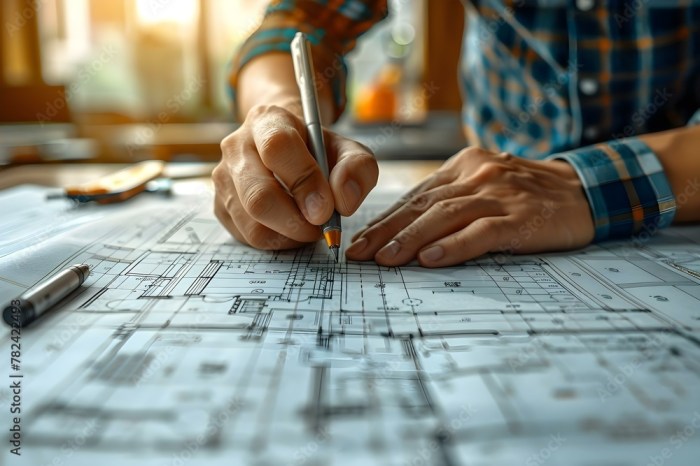
Architectural drafting has a rich history that has evolved over centuries, adapting to new technologies and trends along the way. From hand-drawn blueprints to computer-aided design (CAD) software, the process of creating architectural drawings has undergone significant changes.
Historical Development of Architectural Drafting
- Architectural drafting dates back to ancient civilizations like the Egyptians and Greeks, who used basic tools like compasses and straight edges to create precise drawings.
- In the Renaissance period, architects like Leonardo da Vinci and Andrea Palladio introduced more advanced drafting techniques, including perspective drawing and detailed architectural renderings.
- The Industrial Revolution brought about the mass production of architectural drawings, with the invention of the drafting machine and the T-square making drafting more efficient.
Digital Transformation of Architectural Drafting
- The introduction of CAD software in the 1960s revolutionized architectural drafting, allowing architects to create and edit drawings digitally.
- Advancements in 3D modeling software have made it possible to create realistic virtual models of buildings, providing a better visualization of the final design.
- The integration of Building Information Modeling (BIM) has further streamlined the drafting process, enabling architects to collaborate in real-time and create more accurate and detailed drawings.
Future Trends in Architectural Drafting
- 3D printing technology is expected to play a significant role in architectural drafting, allowing architects to create physical models of their designs with ease.
- Virtual reality (VR) integration is on the rise, enabling architects to experience their designs in a virtual environment and make real-time changes for better design outcomes.
- Artificial intelligence (AI) is also being utilized to automate repetitive tasks in drafting, freeing up architects to focus on more creative aspects of the design process.
Wrap-Up
As we conclude our exploration of architectural drafting, it's clear that this intricate art form goes beyond lines on paper—it defines our built environment. From the meticulous planning to the innovative technologies driving change, architectural drafting remains an essential pillar of design and construction.
Clarifying Questions
What is the role of architectural drafting in the design process?
Architectural drafting serves as the blueprint for construction, translating design concepts into detailed plans that guide builders and engineers.
How do digital technologies impact architectural drafting?
Digital technologies have revolutionized architectural drafting by streamlining the process, enhancing accuracy, and enabling advanced tools like 3D modeling.
Why is accuracy crucial in architectural drafting?
Precision in drafting is vital to ensure structural integrity, safety, and functionality of buildings, avoiding costly errors during construction.
What are some common tools used in architectural drafting?
Tools like T-squares, drafting pencils, and drafting software such as AutoCAD are commonly used in architectural drafting for precise measurements and drawings.
How do drafting conventions and symbols aid in communicating design intent?
Drafting conventions and symbols provide a universal language for architects and engineers to convey specific design elements, dimensions, and instructions clearly and efficiently.