
Exploring the world of renting out your property, this guide dives deep into the benefits, financial opportunities, and strategies to make the most out of your rental investment. From preparing your property for rent to finding the right tenants and managing the rental process, this comprehensive overview covers all aspects of the rent my property journey.
Reasons to Rent Out Your Property
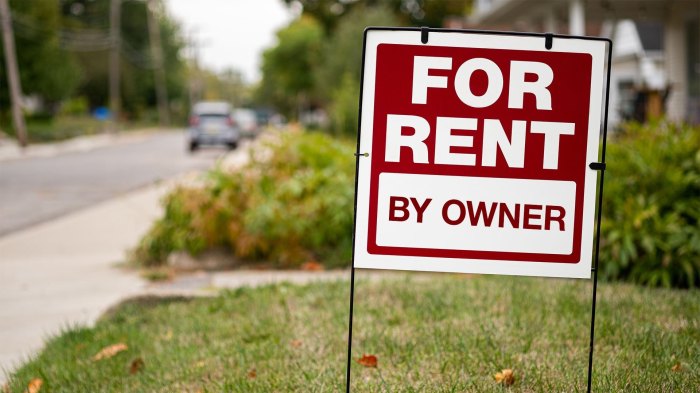
Renting out your property can provide numerous advantages, including financial benefits and assistance with mortgage payments.
Potential Financial Benefits
- Generate Passive Income: Renting out your property can provide a steady stream of passive income, increasing your overall cash flow.
- Tax Deductions: You may be eligible for tax deductions on expenses related to your rental property, such as maintenance, repairs, and property management fees.
- Property Appreciation: Over time, your property may increase in value, allowing you to build equity and potentially earn a profit when you decide to sell.
Assistance with Mortgage Payments
Renting out your property can help cover mortgage payments, reducing the financial burden on you as a homeowner. The rental income can offset your monthly mortgage costs, making it easier to manage your finances and potentially even pay off your mortgage sooner.
Preparing Your Property for Rent
When getting your property ready for rent, there are essential steps you need to take to attract potential tenants and maximize your rental income.
Necessary Repairs or Renovations
Before listing your property, it is crucial to ensure that everything is in good working condition. Address any maintenance issues such as leaky faucets, broken appliances, or damaged flooring. Consider repainting walls and replacing worn-out carpets to freshen up the space.
Investing in necessary repairs or renovations upfront can increase the value of your property and make it more appealing to renters.
Importance of Staging Your Property
Staging your property can significantly impact how quickly it gets rented out. Create a welcoming atmosphere by decluttering the space, arranging furniture in an inviting way, and adding decorative touches like fresh flowers or artwork. Cleanliness is key, so make sure the property is spotless before showing it to potential tenants.
A well-staged property can help tenants visualize themselves living there, making it more likely for them to choose your rental over others.
Setting a Competitive Rental Price
Research the rental market in your area to determine a competitive price for your property. Take into account factors such as location, size, amenities, and condition of the property when setting the rent. Pricing your property too high may deter potential tenants, while pricing it too low could mean missing out on potential income.
Consider hiring a professional appraiser or property manager to help you determine the optimal rental price for your property.
Finding Tenants

Finding the right tenants for your rental property is crucial to ensuring a smooth and successful renting experience. From advertising your property to screening potential tenants and creating a solid rental agreement, each step plays a vital role in finding reliable tenants.
Different Platforms for Advertising
- Online Rental Platforms: Websites like Zillow, Apartments.com, and Craigslist are popular platforms for advertising rental properties.
- Social Media: Utilize social media platforms like Facebook, Instagram, and Twitter to reach a wider audience.
- Local Newspapers: Consider placing ads in local newspapers or community newsletters to attract potential tenants in the area.
Tips on Screening Potential Tenants Effectively
- Require Rental Applications: Ask potential tenants to fill out a rental application form to gather information about their background, employment status, and rental history.
- Run Background Checks: Conduct background checks to verify the information provided by potential tenants and ensure they have a clean rental history.
- Check References: Contact previous landlords or employers to get feedback on the tenant's reliability and behavior.
Importance of Creating a Rental Agreement and What It Should Include
Creating a comprehensive rental agreement is essential to protect both the landlord and the tenant. The rental agreement should include details such as:
- Rental Terms: Clearly Artikel the rent amount, due date, and late payment policies.
- Security Deposit: Specify the amount of the security deposit and the conditions under which it will be returned.
- Rules and Regulations: Include rules regarding noise, maintenance responsibilities, and any restrictions on the property.
- Duration of Tenancy: Clearly state the start and end date of the lease agreement.
- Termination Clause: Artikel the process for terminating the lease agreement by either party.
Managing Rental Property
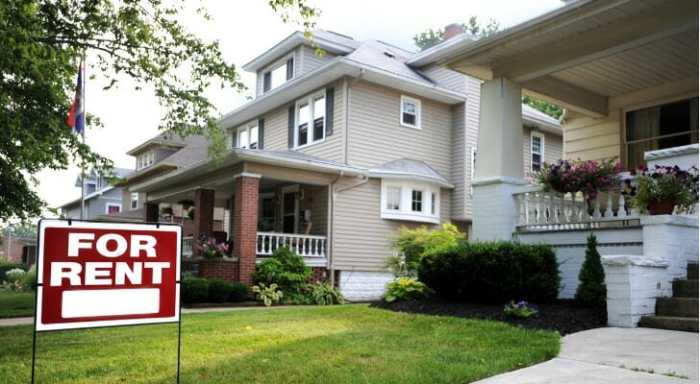
When it comes to managing a rental property, landlords have a number of important responsibilities to uphold. From handling maintenance requests to resolving conflicts with tenants, it's crucial to navigate these tasks with professionalism and efficiency.
Responsibilities of a Landlord
- Ensuring the property is safe and habitable for tenants.
- Collecting rent and managing finances related to the property.
- Making necessary repairs and conducting regular maintenance.
- Respecting tenant privacy and following legal guidelines for entry.
- Handling tenant concerns and complaints in a timely manner.
Handling Maintenance Requests
- Establish a clear process for tenants to submit maintenance requests.
- Prioritize urgent repairs to ensure tenant safety and satisfaction.
- Communicate with tenants throughout the maintenance process to keep them informed.
- Work with reliable contractors or service providers to address maintenance issues promptly.
Resolving Conflicts with Tenants
- Listen to tenant concerns and try to understand their perspective.
- Communicate openly and honestly to find mutual solutions to conflicts.
- Refer to the lease agreement and local laws to resolve disputes fairly.
- If necessary, consider mediation or legal assistance to resolve complex conflicts.
Closure

In conclusion, renting out your property can be a lucrative endeavor if done right. By following the tips and guidelines provided in this guide, you can navigate the rental market successfully and maximize your income potential. Whether you're a first-time landlord or an experienced property owner, the key to success lies in thorough preparation and effective management of your rental property.
User Queries
What are the advantages of renting out my property?
Renting out your property can provide a steady stream of passive income, build equity, and potentially increase the property's value over time.
How do I set a competitive rental price for my property?
Research the local rental market, consider the property's amenities, and compare similar properties to determine a competitive rental price.
What should be included in a rental agreement?
A rental agreement should include details about rent, security deposit, lease duration, maintenance responsibilities, and rules for the property.